How Tree House Farm began
The 2018 family beginning behind Tree House Farm: six wooded acres, a growing animal family, and an invitation to learn by helping.
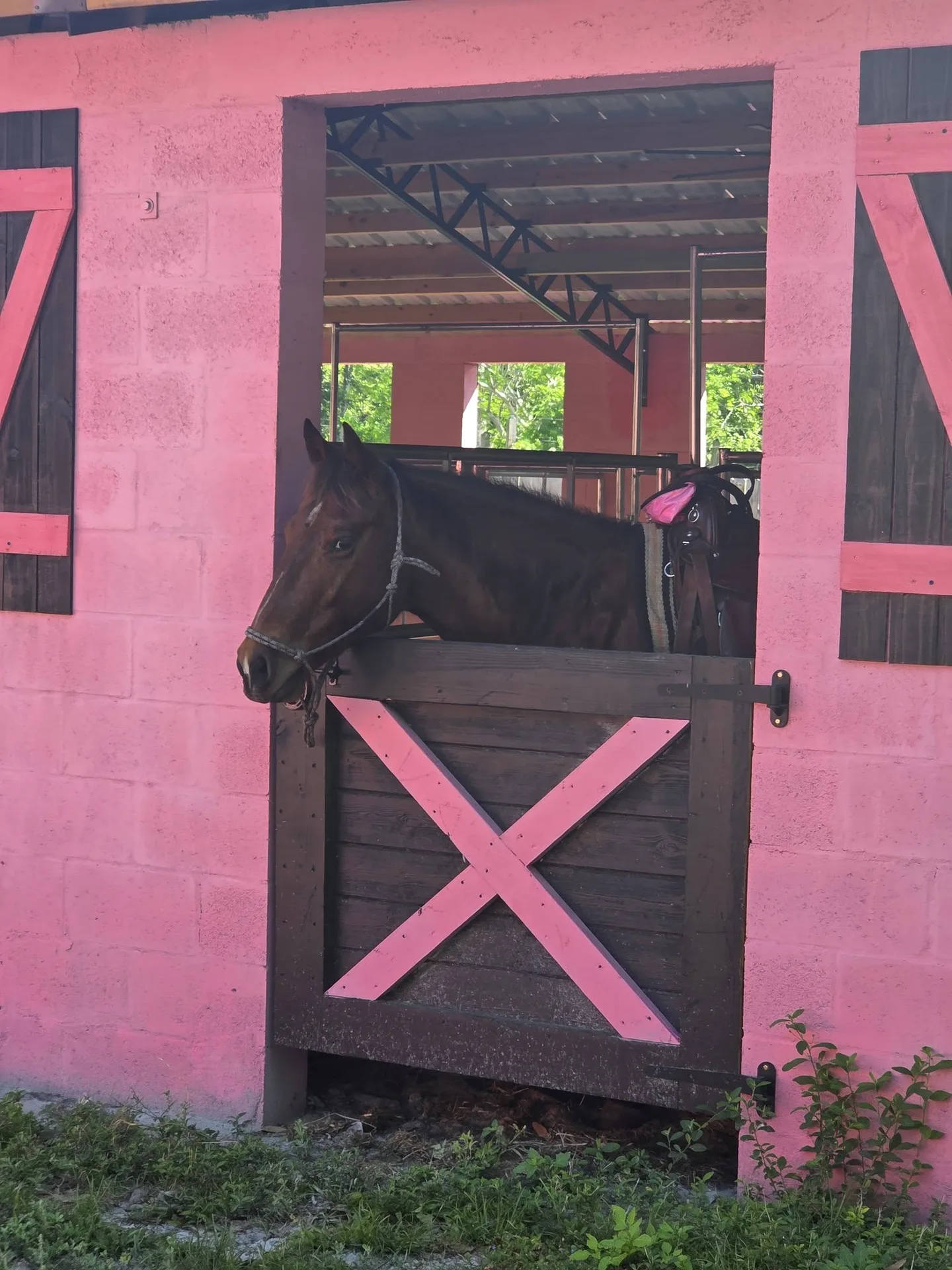
Tree House Farm did not start with a polished attraction plan. It started with a family wanting room, animals already taking over the story, and an idea that other people—especially children—could learn something by coming close enough to help.
In the farm’s first public Facebook post, dated March 28, 2018, Danielle introduced herself and Rich and described the family’s move toward the life they had imagined. They had sold their house and bought six acres off Perrine Ranch Road. The home they hoped to build was still ahead of them, but the animal family was already very real: horses, donkeys, goats, chickens, and dogs.
The first way in was participation
English and Western riding lessons and trail rides were the first planned paid experiences. But the same introduction also included a smaller invitation that says just as much about what the farm became.
Neighborhood children could arrange to bring healthy treats, help feed the animals, and maybe find an egg. They would not simply stand on the other side of a fence. They could take part in the ordinary work that makes a farm feel alive.
That practical, personal model kept returning as the farm grew. Families came for private tours. Children joined Farm Camp and helped with care and cleanup. Horse Camp developed as its own smaller horsemanship experience. Parties, field trips, mobile visits, special events, dog care, and announced Open Farm days all became different ways into the same place.
Rescue changed the responsibility
Within months of that first post, rescue stories became central. Horses arrived through kill-pen interventions and difficult circumstances. The public story followed transportation, veterinary care, weight gain, training, recovery, rehoming, and loss.
That work changed the farm from a place that happened to have animals into a place organized around responsibility for them. Public experiences did not replace the work. They grew around it and helped support it.
The result has always been a little messy in the best and most honest sense. Weather changes plans. Animals decide they are not participating. New babies arrive when Danielle is out of town. A fence, shelter, roof, or dry place to stand suddenly becomes the most important project on the property.
The farm kept making room
Over time, the animal family became broader and the calendar more varied. There were periods of private visits, years with regular public hours, seasons packed with camps, and the current event-led rhythm of announced dates and direct-message planning.
What did not change was the feeling that the farm was being built in public, one real need at a time. Followers watched animals recover. Families returned for another camp. Community members helped with difficult veterinary bills and better shelter. Visitors met the personalities behind the updates.
Tree House Farm today is not trying to look like a massive ranch or a tidy theme park. It is a small family farm with a lot happening inside it. The best way to understand it is still the first one Danielle offered in 2018: come close, notice what the animals need, and be willing to help.