Farm Camp grew from real farm work
Why Tree House Farm's Farm Camp is a whole-farm day of animals, chores, outdoor time, confidence, and practical learning.
Farm Camp at Tree House Farm grew from a simple idea: children learn more when they help with the real day instead of watching a farm performance built for them.
The program began expanding quickly in 2020. Weeks filled, more spaces were added, and another counselor joined as demand grew. The activity mix could include horses, but Farm Camp was never only about riding. It moved through the wider farm and the work that needed doing.
Animals, chores, and outdoor time
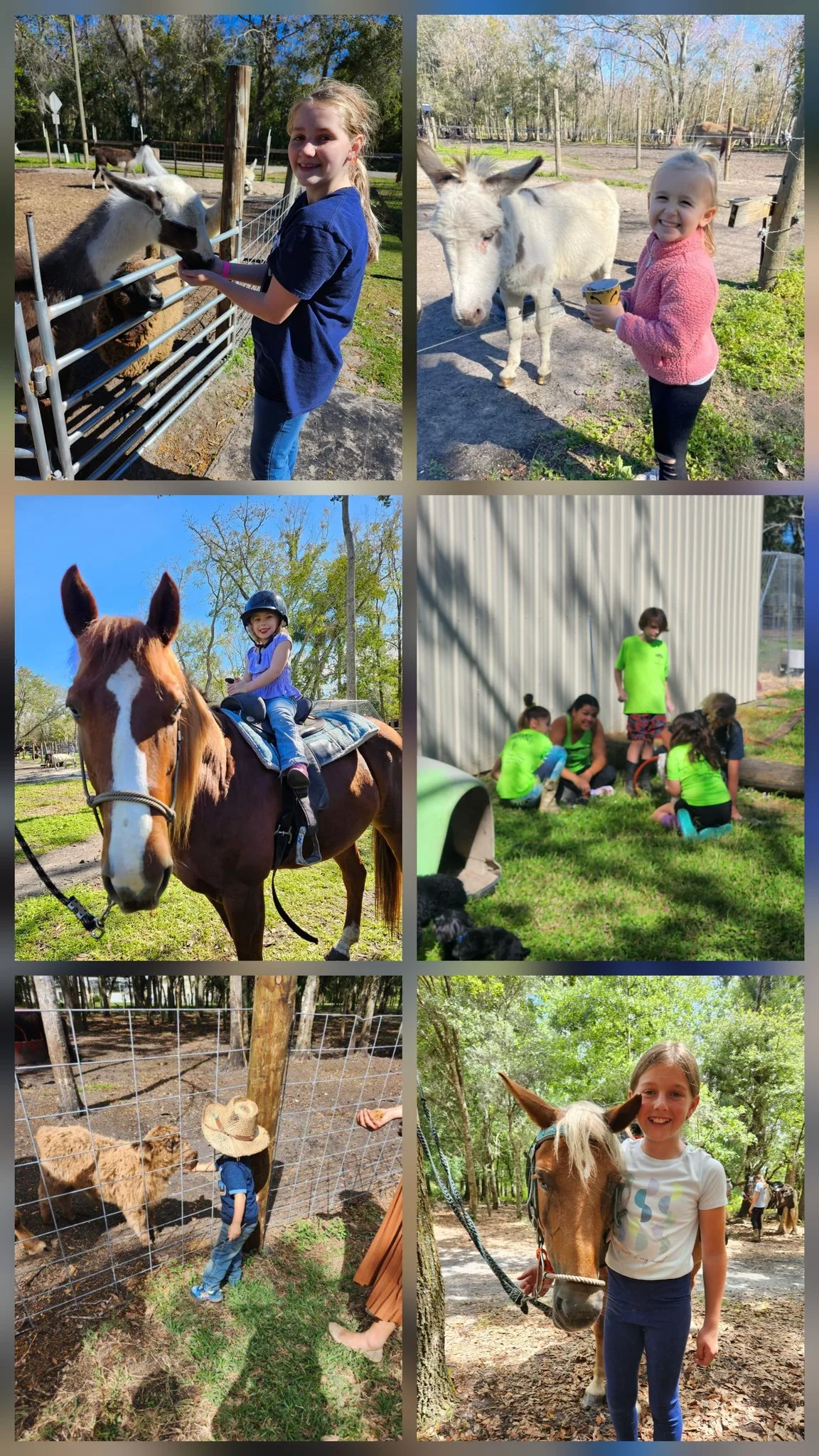
Children fed animals, cleaned, carried, observed, and learned how different species need different care. They spent time outside and came home tired. The farm repeatedly told parents to expect dirty clothes.
That plain warning was also a promise. Campers were not being kept clean at the edge of the experience. They were being invited into age-appropriate work.
The current Farm Camp description still carries that foundation. Children get outside and away from screens, feed and learn about animals, help with daily chores, and return to basic outdoor fun. A pony ride can close the day when the plan allows.
The day cannot be completely scripted
A working farm will not deliver the same schedule every time. Heat, rain, animal health, new babies, repairs, and the day’s care priorities can all change the order.
That variability is not a flaw. It teaches observation and flexibility. Campers see that care is responsive: water needs checking again, a shelter needs cleaning, or an animal that usually participates needs quiet instead.
The best Farm Camp moments often come from that real context. A child who arrives excited about one animal may leave proud of a chore they did not expect. Another may discover that confidence grows from approaching a nervous animal calmly or finishing a dirty job with the group.
Learning that does not feel like a lesson
Responsibility, teamwork, and problem-solving are built into the work. Children have to notice, listen, carry out a sequence, and understand that another living thing depends on what happens next.
The farm’s history includes projects and improvements becoming part of camp life. Practical work turned the property itself into a learning space. Care, construction, cleanup, feeding, and riding were not separate themes. They were connected parts of making the day function.
Farm Camp and Horse Camp are different
The distinction matters.
Farm Camp is the broad route. It is for children who want the whole animal-and-farm day. Horse Camp is a smaller, more specialized horsemanship program centered on catching, grooming, tacking, handling, riding, and trail work.
Both can build confidence. Both involve responsibility. But a family choosing between them should know whether the child wants to move among the whole farm or spend the day focused on horses.
Dates follow the season
Farm Camp has appeared in summer, spring break, holidays, and selected-day formats. The exact ages, hours, pricing, capacity, and schedule have changed over time.
That is why the website does not treat an old flyer as a permanent promise. Confirmed sessions belong on the current-events page. The Farm Camp page explains the experience that stays true even as the calendar changes.