Care comes before display
What rescue-rooted means at Tree House Farm, from transport and veterinary work to the recent care stories of Gucci, Chanel, and Daisy.
“Rescue-rooted” is not a decorative phrase at Tree House Farm. It describes the work that shaped the place before camps, public farm days, and special events became recognizable parts of the business.
The early Facebook history includes horses pulled from kill pens, long-distance transport, veterinary appointments, weight gain, fundraising, training, and careful decisions about whether an animal could stay or needed another permanent home. Some stories ended in recovery. Others included loss. The farm shared both.
Arrival is only the beginning
The dramatic part of rescue is often the moment an animal is found or transported. The expensive, exhausting part comes afterward.
There is feed and medication. Hooves, teeth, skin, and weight need attention. An animal may need time before being handled, trained, or introduced to a new group. A better shelter or dry place to stand can become urgent. Sometimes the work involves placement rather than keeping another animal forever.
That is why the farm’s public experiences and care story are connected. Camps, parties, riding experiences, dog care, private visits, and Open Farm days are ways people can enjoy what has been built while helping the farm continue to care for it.
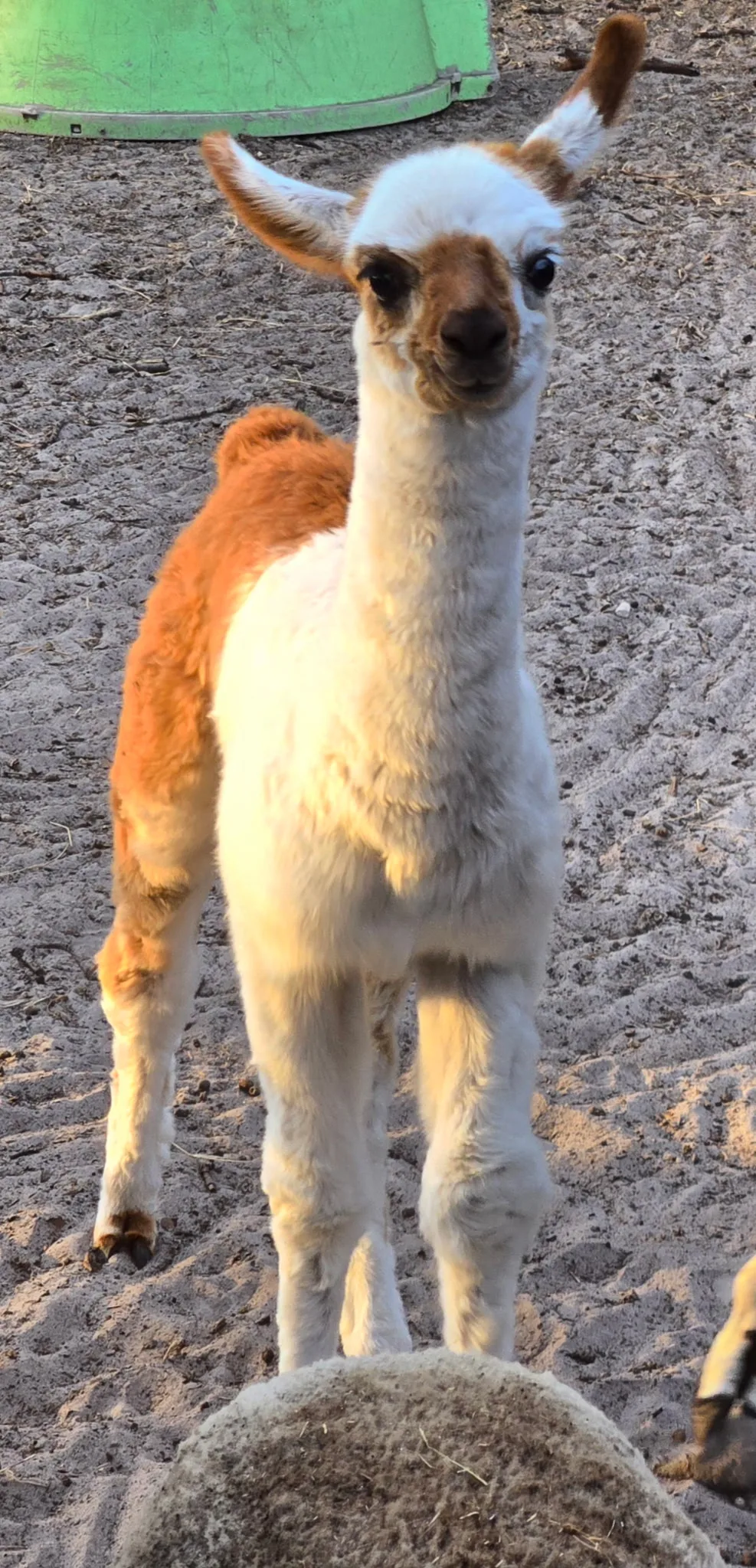
Gucci and Chanel
In early 2026, the farm introduced two underweight alpacas named Gucci and Chanel. The update did not hide how they looked or turn their condition into a polished before-and-after story.
They were dewormed and groomed. Their teeth and nails were handled. Better feeding began, and Danielle wrote plainly about watching the larger alpaca and hoping she would start improving.
The image was difficult because the animals were still at the beginning of care. That is precisely why it belongs in the farm’s history but not as a glossy website hero. The important part is the process: the quiet, repetitive work between arrival and recovery.
Daisy
Later that spring, a woman arrived at the gate upset about a pig she had loved for ten years but could no longer care for. Danielle wrote, with her usual mix of honesty and humor, that she did not want another pig—and then went to help.
Daisy came back to the farm along with kittens that also needed homes. Her hooves and skin needed attention. A donor helped cover veterinary treatment, and a later update thanked the veterinarian and supporters while showing that Daisy was moving in a better direction.
No one post makes that work complete. Rescue is a chain of decisions, bills, physical labor, community help, and days when progress is hard to measure.
What visitors should understand
Care before display means an animal may not participate simply because visitors hope to meet it. Weather, health, temperament, age, and the needs of the wider herd or flock all matter.
It also means Tree House Farm should not be read as an open-intake rescue center or a guaranteed adoption service. The farm helps where it realistically can, shares outside rehoming needs with its community, and balances that work with the experiences that keep the whole place operating.
The public side of the farm is warmer and more meaningful when that truth stays visible. The animals are not props around the business. The business was built around caring for the animals.