Building shelter for Florida weather
The barn, stalls, dry ground, storm preparation, and community effort behind caring for animals through Florida's wet seasons.
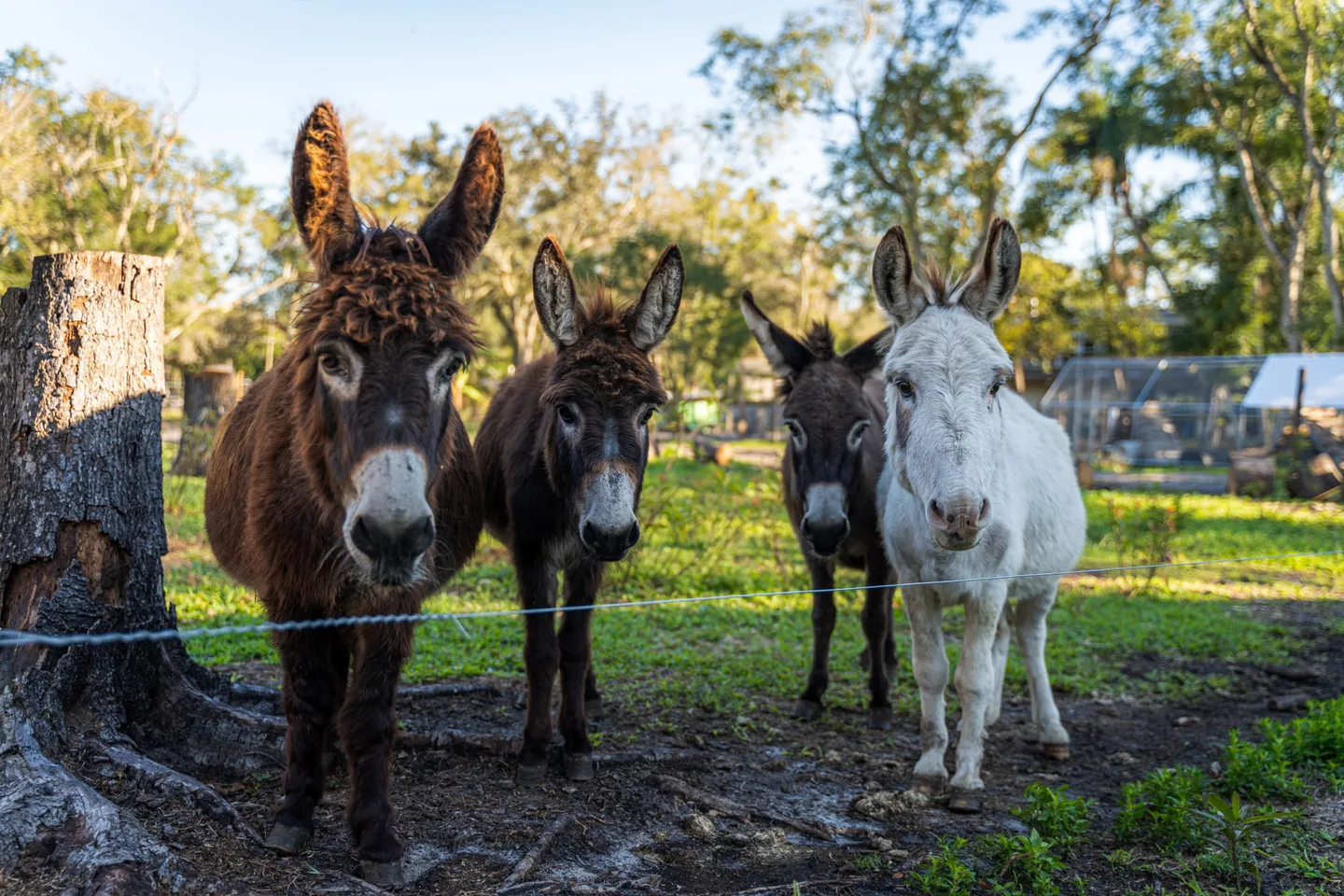
Visitors usually meet Tree House Farm on a good day: animals out, children moving between activities, a camp heading toward the trail, or families arriving for an announced farm opening.
The property also has to work on the wettest and most difficult days of a Florida season.
Heavy rain changes footing. Low areas flood. Horses gather around hay and churn soft ground. Storm preparation has to account for very different animals and the reality that everyone cannot simply be brought inside a normal household garage.
Weather makes care physical
During the 2024 storm season, the farm shared flooding footage and updates that the animals had been moved up and were safe. The water would go down, but the event made the need for stronger shelter impossible to ignore.
In a later explanation, Danielle described using a trailer and tie points to keep horses safer through days of flooding. The experience was part of the reason a larger barn mattered. It was not only a place to stall horses on ordinary days. It was intended as a hurricane shelter that could fit the farm’s animal family when conditions became dangerous.
The barn did not appear all at once
Like many farm projects, construction came with stops, contractor problems, money pressure, and a lot of public problem-solving.
Updates showed the roof finally going on and later celebrated the arrival of stalls. The tone was proud but practical. The barn had challenged everyone’s thinking skills, and there was still work to do.
The pink barn is now one of the most recognizable parts of Tree House Farm’s visual identity. Its importance goes beyond the color. It represents the part of farm life that has to be built before anyone can offer another experience or welcome another group.
Dry ground is part of animal care
Shelter is not only overhead.
Long wet seasons affect hooves and skin. Horses standing around feeding areas can turn the ground into deep mud. The farm has raised money and asked for help with concrete pads and better animal shelters because a dry, stable place to stand can be a daily welfare need.
More recent posts continued that pattern with a proposed concrete goat shelter for storm protection. Infrastructure grows around the actual problems the animals reveal.
Community is part of the build
Tree House Farm has often tried to offer something in return for support: a visit, a camp, an event, or a shared experience. The farm operates as a business while also taking on expensive care and rescue work.
That balance is visible in the shelter story. Community members shared posts, donated, attended events, recommended contractors, and helped projects move forward. Outside help did not replace the farm’s work. It gave that work another way to continue.
What visitors rarely see
A public farm day may last an afternoon. The systems behind it have to work every day.
Fences need attention. Shade and water matter. Roofs, stalls, dry areas, drainage, pens, and loading routes all affect which animals can participate and whether an event can happen safely.
That hidden layer is one reason Tree House Farm feels different from a staged attraction. The experience is taking place inside the same living property that must carry its animals through summer heat, afternoon storms, wet ground, and hurricane season.